

Why Australia Is Pioneering Advanced Educational Practices for Young Children
Historical Context
Evolution of Practices
In Australia, the evolution of early childhood education reflects a rich tapestry of influences and adaptations. Since the late 19th century, the focus has gradually shifted from traditional rote learning to approaches that stress individual development and discovery. This transformation has been underpinned by the belief that young children learn best through experiences that stimulate their curiosity and creativity. The Melbourne Museum's Children’s Gallery, for example, offers interactive exhibits that engage young minds through hands-on exploration, exemplifying this shift towards experiential learning.
Influences on Policy
The progressive nature of educational policies in Australia can be attributed to a blend of international research and local innovation. Influences from Scandinavian models advocating child-led and play-based learning have been instrumental. These approaches align well with Australia's commitment to fostering inclusive environments where children from diverse backgrounds can thrive together. The Royal Botanic Gardens' interactive learning spaces illustrate this philosophy by integrating nature and structured activities to promote holistic development.
Key Milestones
Key milestones in the advancement of early childhood education in Australia include the introduction of the Early Years Learning Framework in 2009, which advocated for a structured approach to early learning. This framework emphasizes the importance of nurturing each child's identity and well-being, alongside developing cognitive skills. Furthermore, ACMI's educational programs have been pivotal in equipping children with the tools to both consume and create digital content critically, preparing them for a rapidly changing world. These milestones set a robust foundation for continuing advancements in educational practices in Australia.
Unique Educational Models
Inquiry-Based Learning
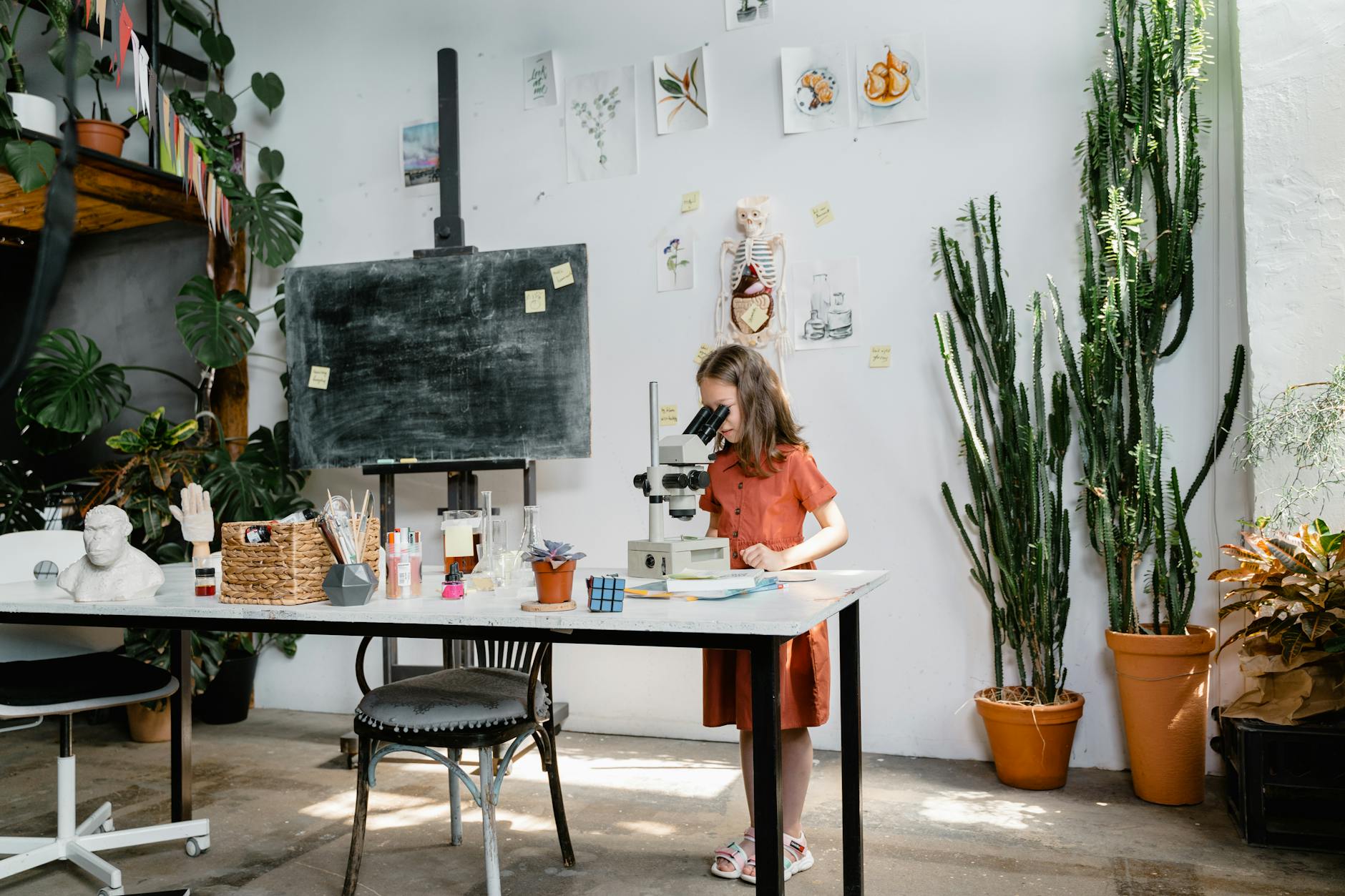
When I think about the transformative power of inquiry-based learning, I envision the unparalleled energy of Melbourne's educational hubs, such as the Royal Botanic Gardens' interactive learning spaces. This method positions students at the centre of the learning process, encouraging them to ask questions and explore topics of interest deeply. It fosters critical thinking and problem-solving, essential skills for a future-facing curriculum. For educators dedicated to fostering these skills, pursuing a diploma of community services can provide vital insights into how inquiry-driven environments can improve educational outcomes.
Play-Centric Approaches
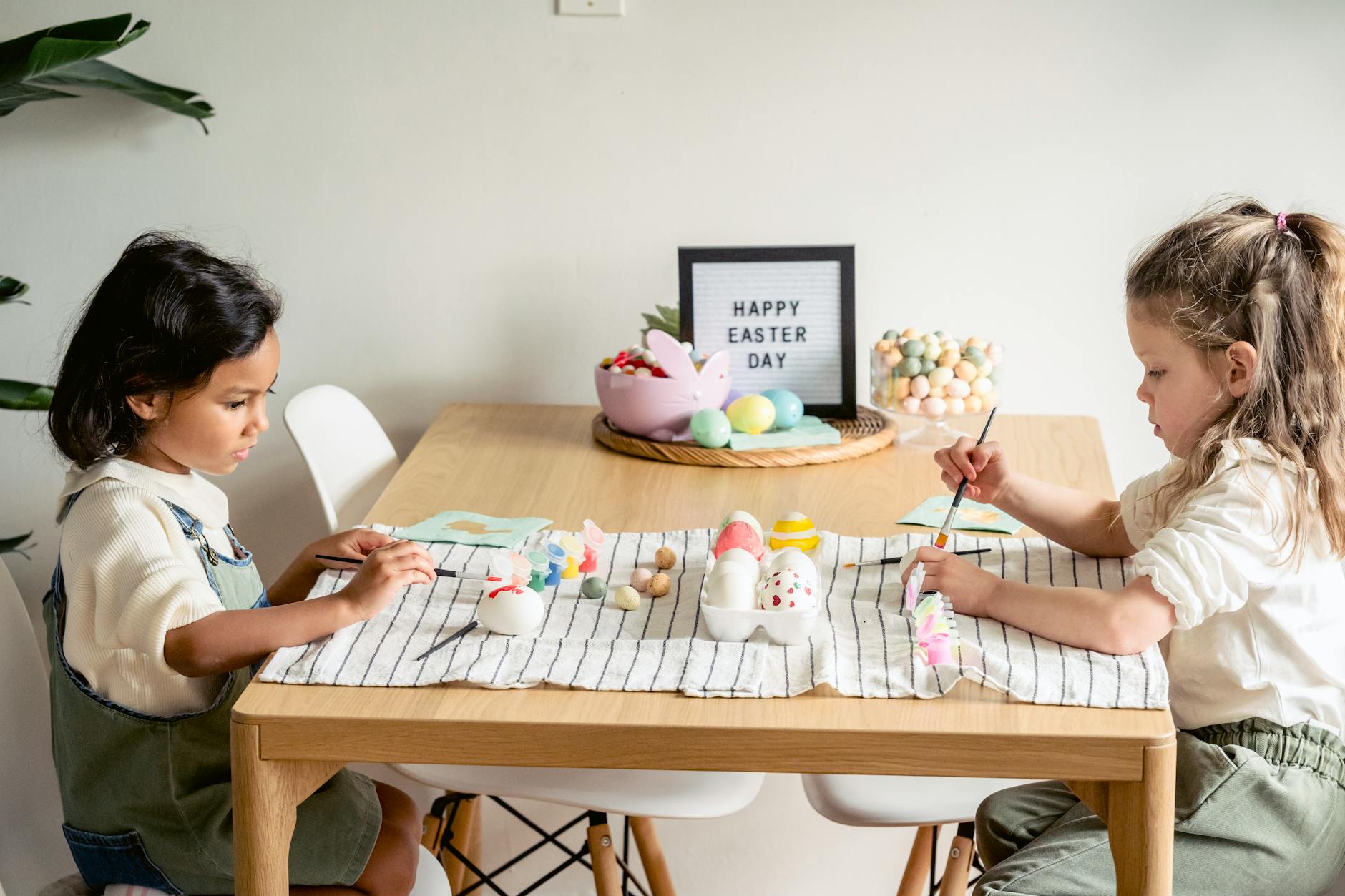
Play-centric approaches form an integral part of Australia’s innovative early childhood educational practices. This model recognises that play is not just an activity for children but a crucial vehicle for learning. It allows children to develop social skills, emotional intelligence, and creativity. Places like Melbourne Museum's Children's Gallery exemplify environments where play is seamlessly integrated into learning, allowing children to engage with exhibitions that pique their curiosity and inspire discovery.
Integrated Technology Use
In today’s rapidly evolving educational landscape, the integration of technology in teaching complements the child’s learning journey. This approach harnesses the capabilities of digital tools to enhance traditional learning methods. Programs at venues like ACMI's educational sessions demonstrate how digital media can be effectively integrated into lessons, providing dynamic, interactive experiences that engage students and accommodate diverse learning styles.
Together, these models underscore that with the right strategies and innovation in place, educators can significantly enrich young children's learning experiences.
Challenges in Advanced Educational Practices
Navigating Resource Limitations
Within Melbourne's educational landscape, navigating resource limitations demands creativity and adaptability. Educators can optimize existing resources by integrating innovative teaching methodologies into their curricula. Institutions like the Melbourne Museum's Children's Gallery provide a vibrant backdrop for experiential learning, offering opportunities to enhance resource efficiency in real-time settings. Emphasizing collaboration and knowledge sharing among educators can foster an environment rich in shared resources and support.
Addressing Regional Disparities
Regional disparities pose significant challenges, yet also offer avenues for inventive solutions. Bridging these gaps requires a commitment to equity, with educators working closely with local institutions such as the Royal Botanic Gardens' interactive learning spaces. These partnerships facilitate tailored educational opportunities, ensuring that students from all regions gain access to enriching experiences. A regional focus promotes a sense of ownership among communities, encouraging localised efforts to overcome educational inequities.
Overcoming Policy Implementation Barriers
Barriers to policy implementation can impede educational progress, but they present opportunities for community-driven initiatives. By actively engaging with ACMI's educational programs, educators can leverage cutting-edge practices and insights to navigate policy-related hurdles. Collaborative efforts between policymakers, educators, and stakeholders are crucial to ensuring that innovative educational models are effectively integrated into the curriculum. A proactive approach fosters resilience, enabling educators to advance despite potential policy obstacles.
Incorporating these strategies ensures that Melbourne remains at the forefront of educational innovation, empowering educators to drive positive change within and beyond their communities.